

Top Deviated Septum Surgery in Plano & Dallas
What Is a Deviated Septum?
A deviated septum is a common structural condition where the nasal septum, the internal wall of bone and cartilage, is significantly off-center or crooked. This misalignment narrows one or both nasal passages, restricting airflow and often leading to chronic respiratory issues and facial discomfort that require professional intervention.

Why So Many Patients Trust Dr. Bader
Dr. Bader approaches every deviated septum correction as both a clinical necessity and an architectural refinement. By combining an artistic eye for facial harmony with a precise surgeon's hand, he ensures your results are as aesthetically pleasing as they are functional. His specialized focus on rhinoplasty allows him to navigate complex nasal structures with unmatched authority and care.
- Double Board Certification: Double board-certified by the American Board of Otolaryngology-Head and Neck Surgery and the American Board of Facial Plastic and Reconstructive Surgery.
- Two Decades of Mastery: Over 20 years of experience dedicated to mastering complex functional and aesthetic nasal reconstructions.
- Anatomical Customization: Every procedure utilizes a bespoke plan adapted to your personal skeletal structure and respiratory needs.
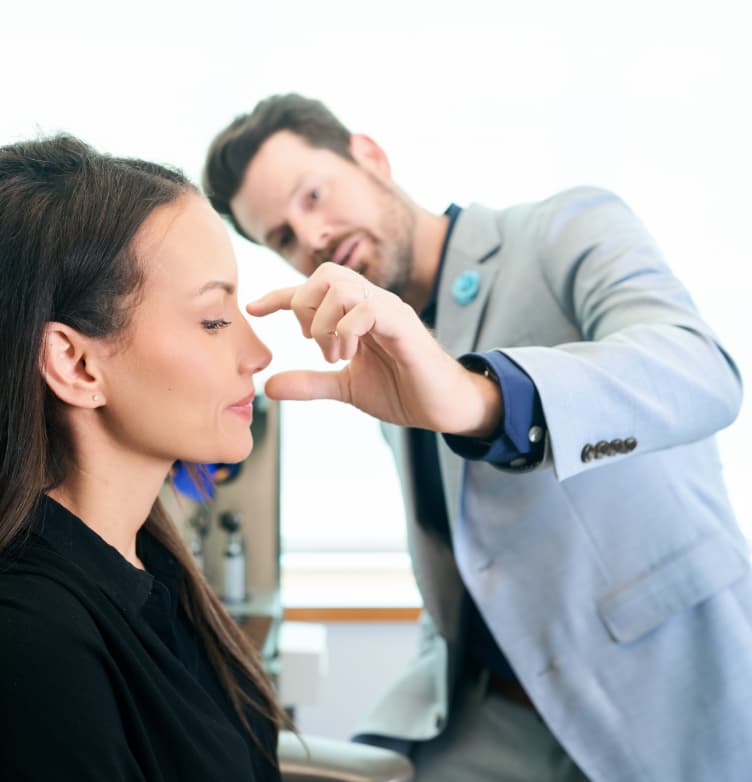
Identifying Deviated Septum Symptoms
While some patients are asymptomatic, most individuals with a significant deviated septum experience persistent physical challenges. Recognizing these deviated septum symptoms early is key to preventing long-term complications.
Deviated Septum Treatment Options
If you are seeking permanent cures for deviated septum, clinical intervention is usually necessary. Dr. Bader specializes in surgical solutions that reorganize the internal nasal architecture to facilitate unrestricted airflow and improve your overall quality of life.
The Septoplasty Standard
Septoplasty is the primary deviated septum surgery. This procedure involves a precise internal incision to access the septum, where Dr. Bader reshapes, repositions, or removes obstructing cartilage and bone. The goal is to center the septum, maximizing the airway space. It is a functional correction that does not alter the external appearance of the nose.
Total Septorhinoplasty
A septorhinoplasty for deviated septum addresses both the internal blockage and external deformities. This is often recommended when the deviation is so severe it has impacted the external bridge or tip. It provides a comprehensive treatment for a deviated nasal septum, ensuring the nose functions perfectly while looking balanced and harmonious with the face.
Dr. Bader's Patient Testimonials
Read All Reviews
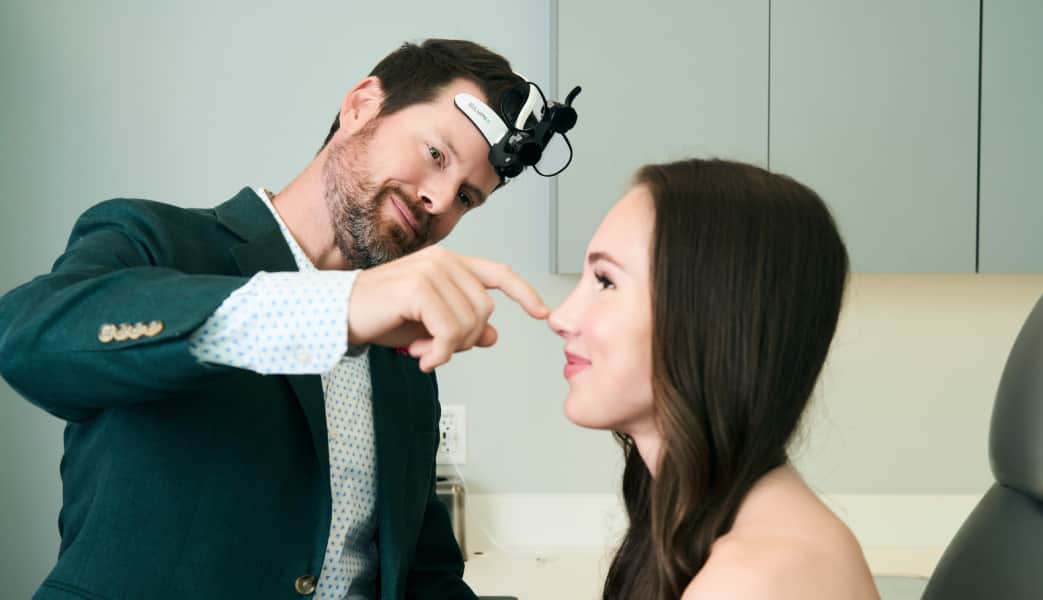
Recovery From Deviated Septum Surgery
The deviated septum surgery recovery period is essential for achieving the best long-term results. In the first few days, you will experience nasal "stuffiness" similar to a heavy cold due to internal swelling. Dr. Bader typically utilizes soft silicone splints instead of traditional packing, which allows for some airflow and significantly increases patient comfort during the initial healing phase.
Most patients can return to work or school within 7 to 10 days. It is critical to avoid blowing your nose or engaging in strenuous exercise for at least three to four weeks, as these activities can increase blood pressure and lead to complications. Our Plano team provides a detailed post-operative kit to keep the passages clear. While you will breathe significantly better once the splints are removed, the final structural settling and total reduction of swelling can take several months.
Potential Risks of Deviated Septum Care
While every surgical procedure carries inherent risks, choosing a double board-certified facial plastic surgeon like Dr. Bader significantly minimizes them. Potential complications may include:
- Bleeding: Minor post-operative nosebleeds are possible but usually resolve with rest.
- Infection: Extremely rare due to modern sterile protocols and post-operative care instructions.
- Nasal Numbness: Temporary numbness of the upper teeth or nasal tip as local nerves heal.
- Septal Perforation: A small hole in the septum; Dr. Bader's specialized training is designed to prevent this.
- Reaction to Anesthesia: Minimized through thorough pre-operative screening and expert anesthesiology.
- Requirement for Revision: Very low risk when working with a rhinoplasty specialist.
FAQs
Surgery is the only permanent solution; medications only manage the symptoms.
Septoplasty is often covered as a medical necessity, while cosmetic refinements are typically out-of-pocket.
Most patients return to daily activities in 7–10 days, with full healing over several months.
Septoplasty changes only the internal airway, while a septorhinoplasty improves both breathing and external appearance.
Yes, nasal obstructions can significantly contribute to snoring and disrupted sleep patterns.

Written by Dr. Bader
Dr. Bader is a double board-certified facial plastic surgeon specializing in complex rhinoplasty and functional nasal surgery in North Texas.