Does Insurance Cover Rhinoplasty? Here's What To Know
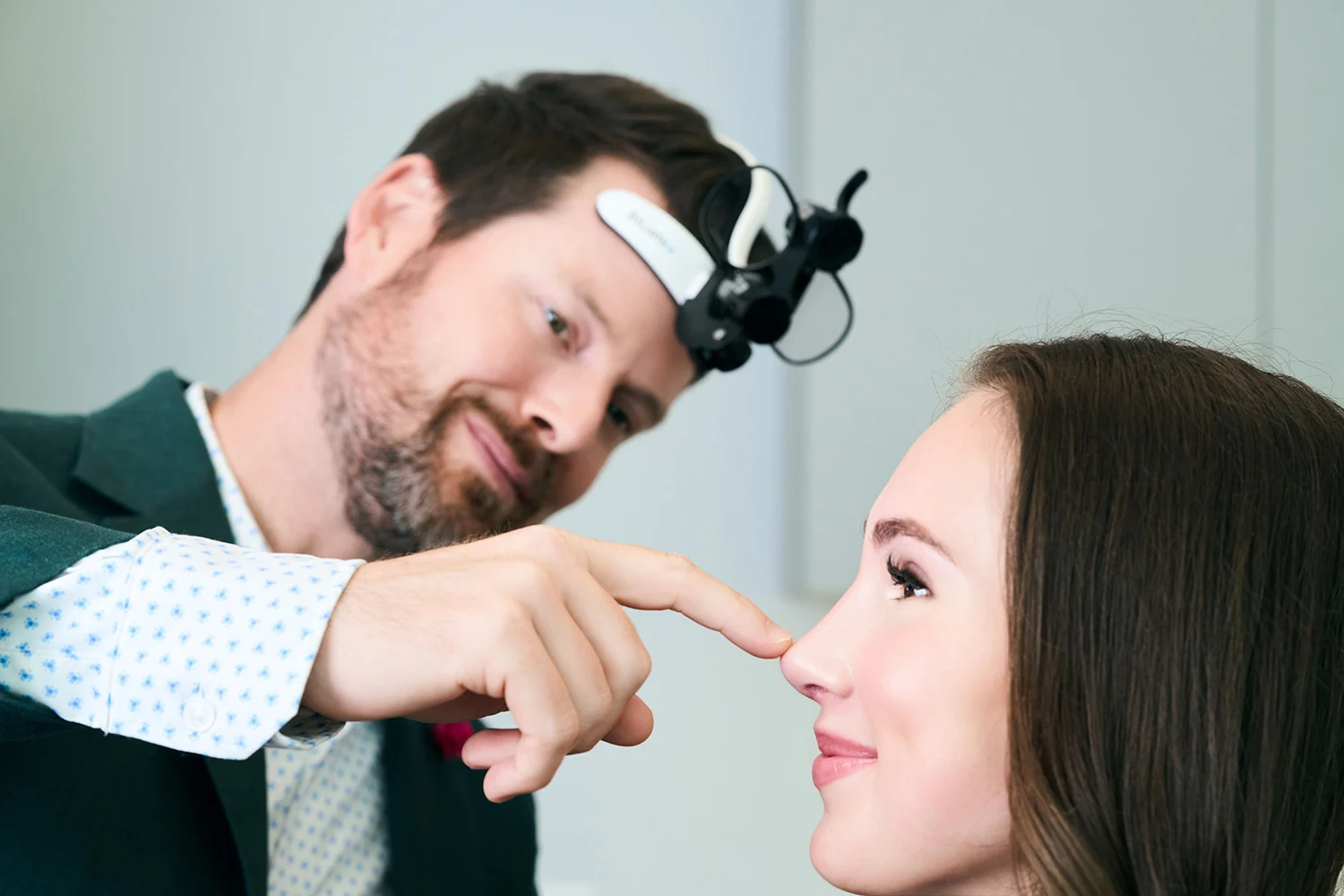
If you are considering nose surgery, you are likely asking one big question right at the start: Does insurance cover rhinoplasty?
It is one of the most common questions we hear at our practice. Whether you are unhappy with the shape of your nose or you are struggling to breathe freely, understanding the financial aspect of surgery is a crucial step in your journey.
Generally, insurance companies draw a strict line between procedures that improve your appearance and those that improve your health. However, the reality is often a mix of both. Below, we will break down exactly how insurance providers view nose surgery, what conditions typically qualify, and how to navigate the process.
Understanding Cosmetic vs. Functional Rhinoplasty
To determine if your surgery is eligible for coverage, you first need to understand the distinction between cosmetic and functional procedures. Insurance companies view these as two very different things.
- Cosmetic Rhinoplasty: This is performed solely to enhance the appearance of the nose. If you want to smooth a dorsal hump, refine the tip, or change the size of your nostrils for aesthetic reasons, this is considered elective. In these cases, insurance will generally not cover the cost.
- Functional Rhinoplasty: This is performed to correct anatomical issues, such as nasal fractures, that impair breathing or cause chronic sinus problems. If the structure of your nose is affecting your quality of life, causing sleep apnea, chronic congestion, or difficulty breathing during exercise, this is considered medically necessary.
Many patients come to Dr. Bader wanting a bit of both: to breathe better and look better.
When Does Insurance Cover Rhinoplasty?
You might be wondering, will insurance cover rhinoplasty in your specific case? If the primary goal of the surgery is to fix a functional problem, you have a much higher chance of approval. Insurance providers typically offer coverage for conditions that negatively impact your health, such as:
- Deviated Septum: This is the most common reason for functional nose surgery (often called a septoplasty). When the wall between your nasal passages is crooked, it can block airflow.
- Nasal Valve Collapse: Weakness in the side walls of the nose can cause them to collapse inward when you inhale, blocking air.
- Turbinate Hypertrophy: Enlarged structures inside the nose that regulate airflow can cause chronic obstruction.
- Trauma or Injury: If you have broken your nose in an accident or sports injury and it has resulted in breathing issues.
- Congenital Defects: Issues present at birth, such as a cleft lip or palate, that affect nasal function.
What Insurance Companies Typically Require
Insurance companies rarely approve surgery without proof. They want to see that the procedure is not just a "want," but a "need." To build a strong case for your claim, most providers will require specific documentation, which includes:
- Documented History: Medical records showing you have suffered from breathing issues for a prolonged period.
- Failed Conservative Treatments: Proof that you have tried non-surgical solutions, like nasal sprays, antihistamines, or allergy treatments, without success.
- Physical Examination Notes: Detailed notes from your surgeon describing the anatomical obstruction.
- Imaging: CT scans or nasal endoscopy results that visually prove the obstruction exists.
Can Rhinoplasty Be Partially Covered?
This is a very common scenario. Many patients require a septorhinoplasty, which is a combination of a functional septoplasty (to fix breathing) and a cosmetic rhinoplasty (to improve shape). In this instance, does insurance cover rhinoplasty costs fully? Usually, no. However, they may cover the functional portion of the surgery.
Here is how it typically works:
- Your insurance may pay for the anesthesia, facility fees, and surgeon's fees related specifically to correcting the breathing issue (like straightening the septum).
- You would be responsible for the "out-of-pocket" costs related to the cosmetic changes (like reshaping the bridge or tip).
During your consultation, if your provider accepts insurance, then they can provide a breakdown of which costs are likely to be covered and which will be your responsibility.
Factors That Affect Insurance Coverage
Even if you have a functional issue, coverage can vary significantly based on your specific insurance plan.
- Deductibles and Co-pays: You will still need to meet your annual deductible before coverage kicks in, and co-pays may apply.
- In-Network vs. Out-of-Network: Staying in-network usually results in lower out-of-pocket costs.
- Pre-Authorization: Most insurance companies require pre-authorization (approval in advance) before you schedule surgery. Skipping this step can lead to a denied claim.
What If Insurance Does Not Cover Rhinoplasty?
We believe that everyone deserves to feel confident and breathe easily. At Bader Facial Plastic Surgery, we do not accept insurance, but we do offer several financing options to make the procedure more accessible. We work with reputable healthcare financing companies that offer flexible payment plans, allowing you to pay for your procedure over time rather than in a lump sum.
We are here to help you breathe better and feel better. Schedule a consultation with Dr. Bader today to discuss your rhinoplasty options and create a surgical and financing plan that works for you.
Why a Consultation Is Essential
Navigating insurance policies can be confusing, but you do not have to do it alone. The best way to determine how to get rhinoplasty covered by insurance, or at least the functional portion of it, is to speak with an expert.
When you have surgery with us, we act as your advocate. During your consultation, Dr. Bader will:
- Perform a thorough examination of your nasal structure.
- Determine if your issues are medical, cosmetic, or a mix of both.
- Advise you on the documentation needed for your specific carrier.
- Help submit the necessary claims and pre-authorizations.
We are here to help you breathe better and feel better. Schedule a consultation with Dr. Bader today to discuss your rhinoplasty options, review your coverage, and create a plan that works for you.